Does Menopause Really Cause Belly Fat — Or Is Something Deeper Happening
February 14, 2026at5:00 AM
by Janet Graham, Functional Medicine NP
Does Menopause Reallyause Belly Fat — Or Is Something Deeper Happening?
Menopause is a completely natural transition. But that doesn’t mean the symptoms feel natural when you’re living through them.
Many women notice:
Weight gain that feels sudden
More fat around the midsection
Muscle loss despite eating the same
Energy shifts
Sleep disruption
And one of the biggest frustrations? That stubborn belly fat that wasn’t there before.
Let’s break down what’s actually happening — and more importantly, what you can do about it.
What’s Really Changing During Menopause?
For decades, your body has run on a rhythmic hormonal pattern. Estrogen and progesterone rise and fall in a predictable cycle.
During perimenopause (the years leading up to menopause), those hormones begin to fluctuate — sometimes dramatically.
Eventually:
Estrogen declines
Progesterone declines
Ovulation stops
Periods become irregular and then stop
But here’s the key: Estrogen doesn’t just regulate reproduction. It also plays a major role in:
Fat distribution
Muscle maintenance
Insulin sensitivity
Inflammation levels
Metabolic rate
So when estrogen shifts, your metabolism shifts.
Why Belly Fat Specifically?
During menopause, fat distribution often changes from a more “pear-shaped” pattern (hips and thighs) to more abdominal storage.
This includes an increase in:
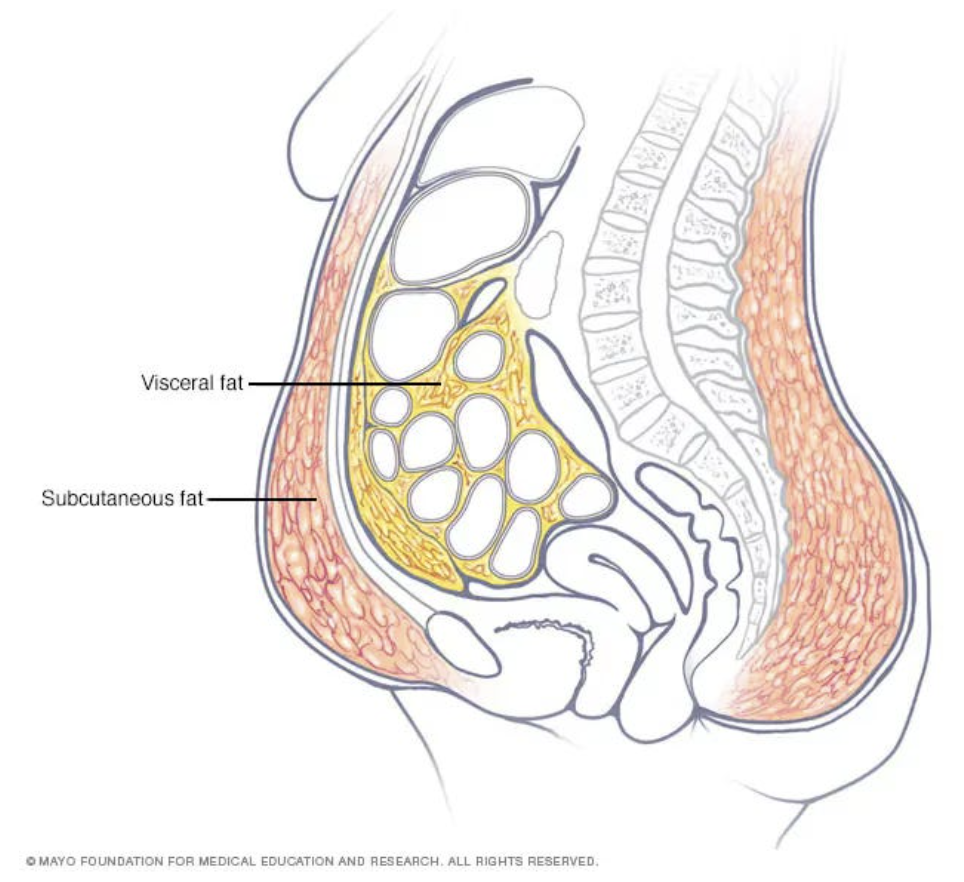
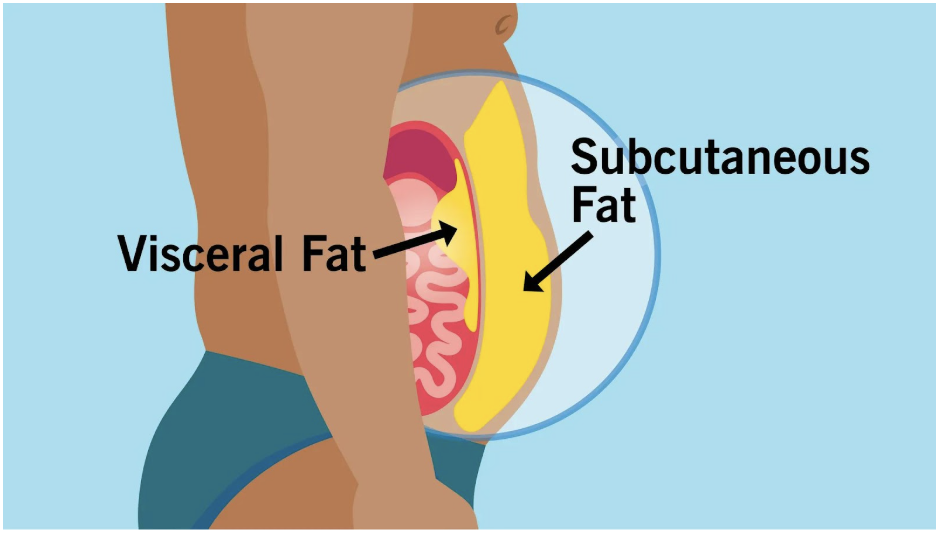
🔹 Subcutaneous fat
The fat under your skin — the kind you can pinch.
🔹 Visceral fat
The deeper fat that surrounds your organs.
Visceral fat is the more concerning type because it’s metabolically active. It contributes to:
Insulin resistance
Elevated blood sugar
Increased inflammation
Higher cardiovascular risk
And this shift can begin during perimenopause — not just after periods stop.
Is Weight Gain During Menopause Inevitable?
No. But it is common.
Research shows women gain an average of 2–5 pounds during the menopausal transition — but more important than the number on the scale is where that weight accumulates.
What makes this time tricky is that several things often happen simultaneously:
Hormones shift
Sleep worsens
Stress increases
Muscle mass gradually declines
Activity levels sometimes decrease
And muscle is your metabolic engine.
When muscle decreases, metabolism slows — even if your eating habits haven’t changed.
Why Visceral Fat Matters
Visceral fat is strongly linked to what we call metabolic syndrome, a cluster of conditions including:
Elevated blood pressure
High triglycerides
Low HDL cholesterol
Increased fasting blood sugar
Over time, this raises risk for:
Type 2 diabetes
Heart disease
Stroke
From a Functional Medicine perspective, visceral fat isn’t just cosmetic. It’s a signal that your metabolic system needs support.
What You Can Do (From a Root-Cause Lens)
1️⃣ Strength Train — Not Just Cardio
Strength training becomes non-negotiable during menopause.
It:
Preserves muscle
Improves insulin sensitivity
Supports bone density
Targets visceral fat more effectively than cardio alone
Start with 2–3 sessions per week. Focus on progressive resistance — your muscles need challenge to respond.
2️⃣ Prioritize Blood Sugar Balance
Because estrogen supports insulin sensitivity, its decline can make blood sugar regulation harder.
Focus on:
Protein at every meal
Fiber-rich vegetables
Healthy fats
Limiting refined carbohydrates
Stable blood sugar = lower visceral fat accumulation over time.