

A Functional Medicine Perspective on Postpartum Healing
Bringing a baby into the world is powerful. Transformational. Beautiful.
And physically? It’s a full-body renovation.
If you’ve looked in the mirror postpartum and thought,
“I don’t recognize this body.”
You are not alone.
At Radiant Health & Wellness, we don’t look at postpartum changes as something to “fix.” We see them as part of a physiological process that deserves support, strategy, and patience.
Let’s walk through what’s really happening — and how to restore your body composition in a way that honors your healing.
Pregnancy isn’t just weight gain. It’s a complex shift in body composition.
You gain:
Those fat stores are not a flaw. They’re biological insurance. Your body intelligently stores energy to support fetal development and breastfeeding.
But after delivery, while the baby, fluids, and placenta are delivered quickly, fat mass and muscle changes don’t instantly reverse.
Two major postpartum shifts we focus on are:
Your body remains hormonally primed to protect energy reserves — especially if you’re breastfeeding.
Estrogen, progesterone, cortisol, prolactin — they’re all adjusting. And when hormones are recalibrating, fat loss is rarely linear.
Research shows:
This is why crash dieting after baby often backfires.
Your body needs nourishment to heal.
Many women assume their lower belly is stubborn fat.
Often, it’s something else.
During pregnancy, the rectus abdominis muscles (your “six-pack” muscles) stretch apart to accommodate your growing uterus. This separation — called diastasis recti — can remain after birth.
It’s not muscle loss.
It’s muscle separation and connective tissue stretching.
Crunches and sit-ups can actually worsen it.
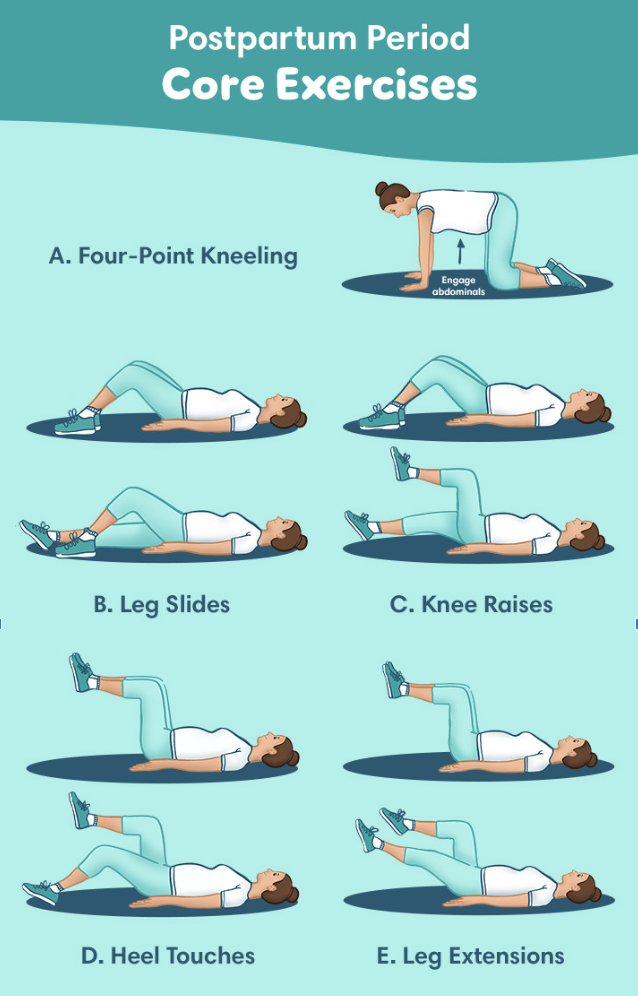
Instead, we focus on:
Side planks, glute bridges, bird dogs, and controlled breathing patterns are far more effective than traditional ab exercises.
Healing the core restores stability — which changes how your abdomen looks and functions.
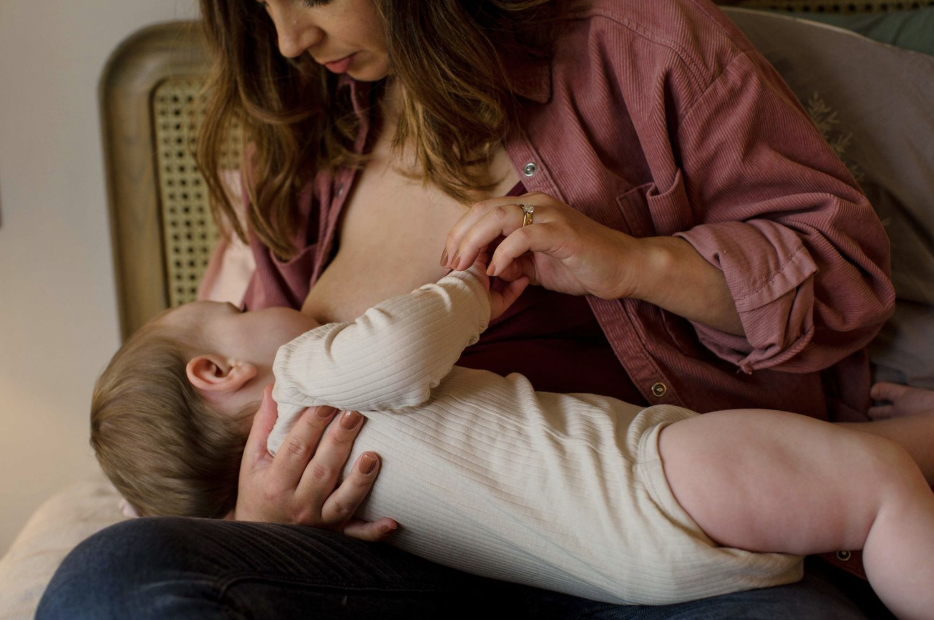
Breastfeeding increases caloric expenditure. Some women lose fat mass during this time — others don’t.
Both are normal.
Studies suggest gradual weight loss (around 1 pound per week after the initial recovery period) is generally safe for breastfeeding mothers. But aggressive restriction can increase stress hormones and impair recovery.
From a Functional Medicine lens, we focus on:
Your body is rebuilding tissue. It needs fuel.
A high-glycemic diet during pregnancy is associated with greater fat gain and metabolic stress.
Postpartum, we emphasize:
This is not about eating less.
It’s about eating intentionally.
According to guidelines from the American College of Obstetricians and Gynecologists, gradual return to movement postpartum is safe for most women once medically cleared.
Some can resume gentle activity within days. Others need more time — especially after cesarean birth.
Key principles:
Aerobic movement improves cardiovascular health without harming milk supply.
But remember — exercise alone is rarely the primary driver of postpartum fat loss. Hormonal regulation, sleep, stress, and nutrition matter just as much.
In conventional care, postpartum weight concerns are often brushed aside.
In Functional Medicine, we ask:
Because sometimes “stubborn weight” isn’t about discipline.
It’s about physiology.
It took 9 months for your body to change.
It may take 9–12 months (or longer) to restore optimal body composition.
And that’s okay.
Celebrity bounce-backs are not reality. They come with teams of trainers, chefs, and surgical support.
You deserve a plan built for your metabolism.
Before setting weight goals, understand your baseline:
When we measure body composition (not just scale weight), we can create targeted, realistic goals.
Postpartum healing is not about shrinking yourself.
It’s about rebuilding strength, resilience, and metabolic balance.
Your body built a human.
That deserves respect.
Postpartum restoration is a lifestyle shift — not a 6-week transformation challenge.
With the right nutrition, targeted movement, hormonal support, and patience, your body can regain balance — and often become stronger than before.
If you’re navigating postpartum changes and want guidance rooted in physiology — not pressure — we’re here to help.
Because healing after baby isn’t about getting your old body back.
It’s about building your strongest one yet.
Stay updated on our news and events! Sign up to receive our newsletter.