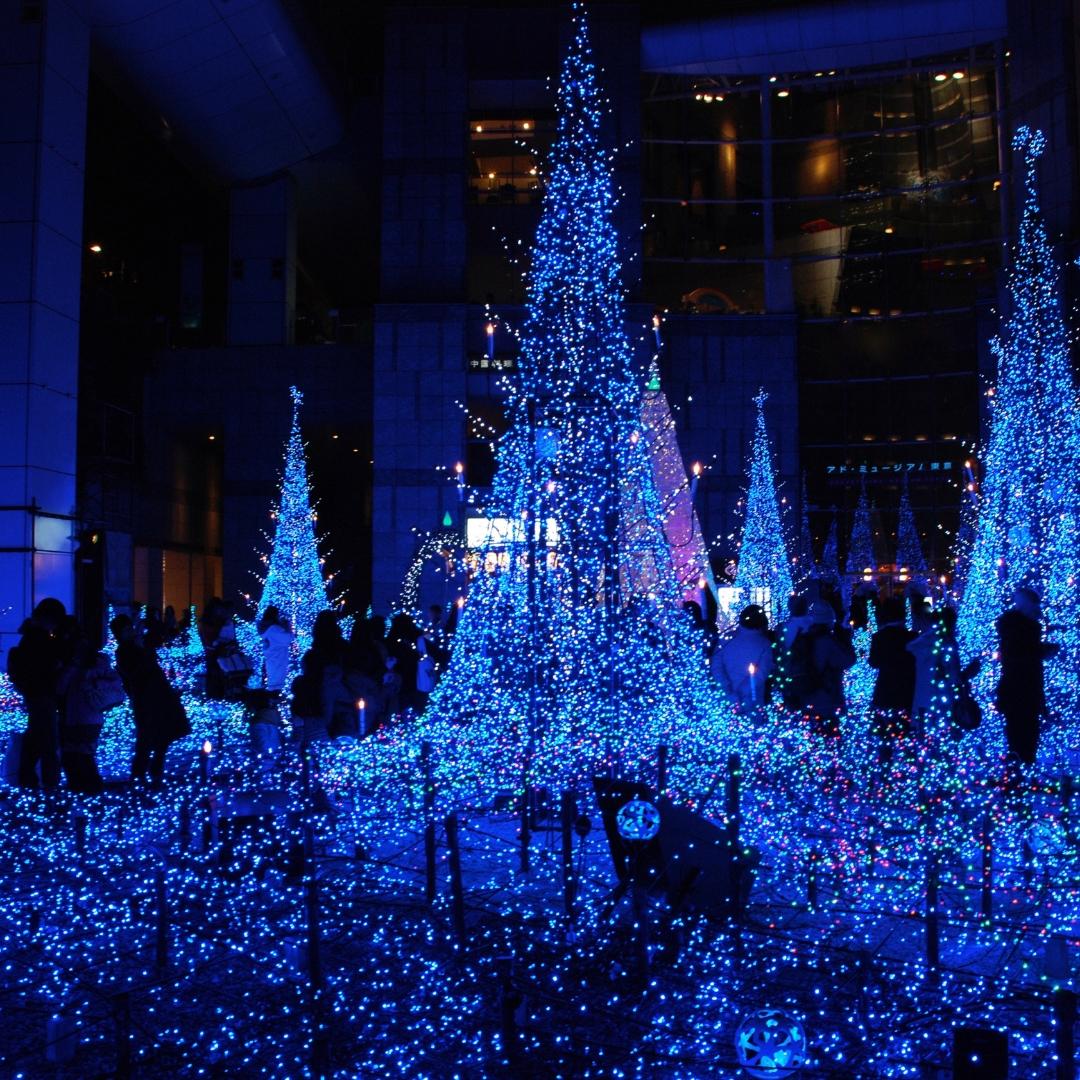
Holiday season feels cozy and magical. The house looks warm, the decorations sparkle, and Christmas lights make everything feel more festive.
But here’s the part most people don’t realize:
Those holiday lights can quietly disrupt your sleep, hormones, mood, and energy — the same way your phone or laptop does.
Once you understand why, it’s easier to connect the dots between the late nights, holiday overstimulation, and that “why am I so tired even when I slept?” feeling.
Christmas Lights Are Blue Light Sources
Most Christmas lights today are LED, and LEDs naturally emit blue wavelengths. Even if the lights look warm, soft, or colorful, your brain still picks up that blue light.
Your body interprets it as daylight and sends the signal:
“Stay awake.”
Which is not ideal when you're winding down at night.
How Blue Light Affects Your Body
Let’s keep this simple, practical, and science-backed.
1. Melatonin drops
Melatonin is your sleep hormone. Blue light tells your brain it’s too early for melatonin production, making it harder to fall asleep even if you feel tired.
2. Cortisol rises at night
Your stress hormone should drop in the evening. Blue light does the opposite, causing restless sleep, early waking, or that wired-but-tired feeling.
3. Hunger increases
Poor sleep affects leptin and ghrelin, the hormones that tell your body when you’re full or hungry. Less sleep = more cravings, especially sweets and carbs.
4. Mood and energy dip
It’s not just holiday stress. Light exposure plays a big role in why people feel overstimulated, irritable, or unusually drained this time of year.
It’s Not Only Christmas Lights
During the holidays, you’re surrounded by blue light from many angles:
- Home LED lighting
- Bright holiday décor
- Phones
- TVs
- Tablets
- Laptops
- Malls and events
- Car headlights
- Streetlights
It all adds up.
Do You Need to Get Rid of Christmas Lights?
No. Holiday lights bring joy, and that matters too.
You don’t need to eliminate them — just use them in a way that doesn’t interfere with your sleep and hormones.
How to Protect Your Body Without Losing the Holiday Vibe
These are simple changes that make a meaningful difference.
1. Turn off Christmas lights 1–2 hours before bed
This gives your body time to naturally increase melatonin.
2. Choose warm-toned lights
Warm white or soft yellow options have less blue wavelength than cool white or bright LED displays.
3. Dim indoor lighting at night
Your circadian rhythm responds well to softer, warmer evening lighting.
4. Use night mode on screens
Reducing brightness and blue wavelengths on devices helps minimize sleep disruption.
5. Get morning sunlight
Bright, natural morning light helps reset your internal clock after nighttime exposure.
6. Support your system
Magnesium glycinate, omega-3 DHA, and antioxidants like lutein and zeaxanthin can help reduce the impact of blue light and support eye and nervous system health.
Final Takeaway
Holiday burnout isn’t only about stress or too many events. A big hidden factor is light exposure, especially from LED Christmas décor and screens.
When you understand how your environment affects your sleep and hormones, you can enjoy the season fully—without feeling drained or out of balance.