

If you aren't feeling your best, your hormones may not be the only piece of the puzzle.
Every day, we're exposed to chemicals through our food, personal care products, cleaning products, plastics, and the environment around us. Some of these chemicals can interfere with hormone signaling and are known as endocrine-disrupting chemicals.
That doesn't mean you need an extreme detox or cleanse.
Your body already has natural systems for processing and eliminating unwanted substances. Your liver, kidneys, digestive system, lungs, and skin all play important roles.
The goal is to support those natural processes while reducing unnecessary exposures where you can.
Hormonal changes can show up in many different ways.
You may notice:
These symptoms can have many possible causes, so they don't automatically mean that toxins are the problem.
But if you're experiencing several of them and don't feel like yourself, it may be worth looking at the bigger picture—including hormones, nutrition, sleep, stress, gut health, lifestyle, and environmental exposures.

One of the simplest ways to support your body's natural detox pathways is to eat a variety of whole foods.
Focus on colorful vegetables such as:
These foods provide fiber, vitamins, minerals, and phytonutrients that support overall health.
Don't look for one magic detox food. Variety is key.

Water is essential for many of the body's normal processes, including digestion and kidney function.
Keep water with you throughout the day and make hydration a regular habit rather than waiting until you're extremely thirsty.
Simple? Yes.
Important? Absolutely.
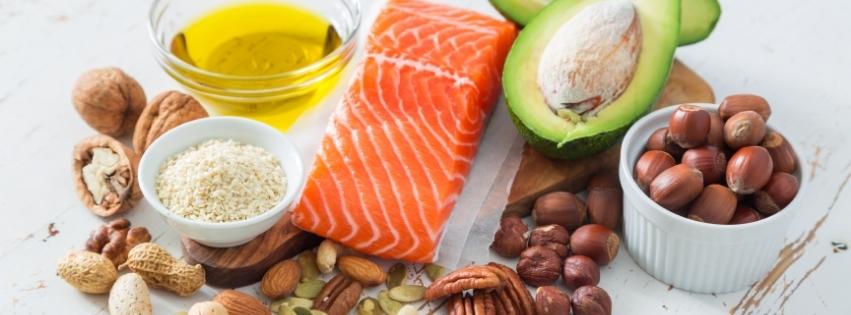
Healthy fats are an important part of a balanced diet and provide essential fatty acids your body needs.
Try including:
Focus less on eating "low fat" and more on choosing better-quality fats.

Foods like garlic, onions, broccoli, ginger, turmeric, rosemary, and other herbs and spices provide a variety of plant compounds.
And they make healthy food taste better!
More plants + more flavor = an easy win.

You don't need a restrictive "hormone detox diet," but there are some things worth limiting.
Your liver has a lot of jobs, and alcohol adds another substance for it to process. If you're working on your hormone, sleep, or metabolic health, reducing alcohol can be a helpful step.
A diet high in added sugar can make healthy blood sugar regulation more difficult and contribute to metabolic problems.
Rather than eliminating all carbohydrates, focus on whole-food sources and pair carbohydrates with protein, fiber, and healthy fats.
Make whole, minimally processed foods the foundation of your diet most of the time.
You don't have to be perfect. Consistency matters more than perfection.
You can't avoid every chemical in your environment—and you don't need to.
But there are some simple changes you can make.
Look at products you use every day, including shampoo, lotion, makeup, deodorant, and fragrance.
When you're replacing products, consider choosing simpler formulas and reducing unnecessary fragrance.
One easy swap is to use glass or ceramic containers when heating food rather than routinely heating food in plastic.
You don't need to eliminate every piece of plastic from your home. Just start with the habits that are easiest to change.
Cooking meat at very high temperatures can create compounds called HCAs and PAHs.
You don't have to give up grilling. Just avoid heavily charring your food and consider lower-temperature cooking methods when possible.
Hormone health isn't just about food and supplements.
Stress matters, too.
Chronic stress can affect sleep, blood sugar regulation, appetite, and hormone signaling.
Try simple practices like:
Even a few minutes a day can be a good place to start.
Be careful with products marketed as "detoxes" or "cleanses."
Many simply contain laxatives or other ingredients that increase bowel movements. Going to the bathroom more doesn't necessarily mean you're removing more toxins.
Certain nutrients and supplements may support specific aspects of liver and metabolic function, but they aren't appropriate for everyone.
This is where an individualized approach matters.
You don't need to completely overhaul your life to support your body's natural detoxification processes.
Start with a few simple habits:
Eat more vegetables.
Drink more water.
Choose whole foods.
Move your body.
Manage stress.
Reduce unnecessary chemical exposures.
Get enough sleep.
Your body is already working hard to maintain balance every day.
The goal isn't to "detox harder."
It's to give your body the support it needs to do its job well.
If you're experiencing fatigue, sleep changes, mood changes, weight changes, menstrual changes, or other symptoms that don't seem to have a clear explanation, it's worth looking at the bigger picture.
At Radiant Health & Wellness, we look beyond individual symptoms to understand how hormones, nutrition, lifestyle, stress, and other factors may be affecting how you feel.
Because your health is personal. Your care should be, too.
Ready to take a closer look? Book a call with Radiant Health & Wellness to get started.

Stay updated on our news and events! Sign up to receive our newsletter.