

You may have never considered yourself an anxious person.
Then, somewhere in your 40s, something changes.
You start worrying about things that never used to bother you. You feel more irritable. Your mind won't shut off at night. Maybe you're waking up with your heart racing or experiencing a sudden wave of panic that seems to come out of nowhere.
And you may be wondering:
“Why am I suddenly like this?”
For many women, the answer may have something to do with the hormonal changes that begin years before menopause.
Anxiety Can Change With Your Hormones
One of the biggest misconceptions about menopause and perimenopause is that hormonal changes only become important once your periods stop.
They don't.
Hormonal fluctuations can begin during the years leading up to menopause, sometimes in the late 30s or early 40s. And because hormones influence the brain, nervous system, sleep, mood, and stress response, those changes can show up in ways you might not immediately connect to your hormones.
Anxiety can be one of them.
This is something I experienced personally.
I never struggled with anxiety in my teens, 20s, or 30s. But in my 40s, I began experiencing anxiety and even waking up in the middle of the night with panic attacks.
There wasn't necessarily anything happening in my life that explained the intensity of what I was feeling.
That experience made me realize just how important it is to look beyond the obvious when a woman suddenly feels different.
Progesterone: One Piece of the Puzzle
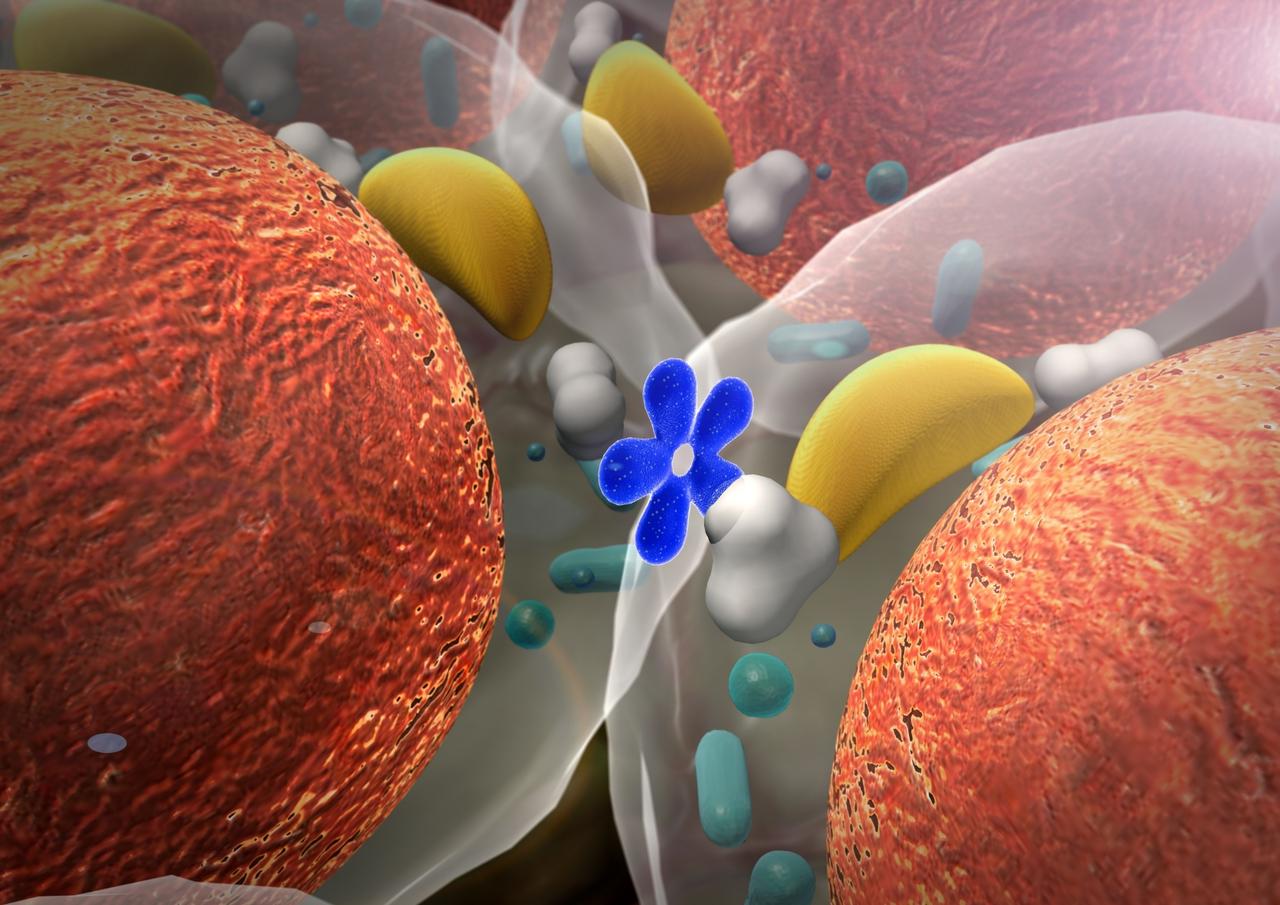
Progesterone is often associated with the menstrual cycle and pregnancy, but it also interacts with the brain and nervous system.
One of its metabolites, allopregnanolone, influences GABA-A receptors in the brain, which are involved in calming and reducing nervous-system activity.
As women move through perimenopause, progesterone production can become more variable and may decline over time, particularly as ovulation becomes less consistent.
For some women, that shift may contribute to:
This doesn't mean every case of anxiety after 40 is caused by low progesterone.
But it does mean that hormonal changes deserve to be part of the conversation.
Pay Attention to the Pattern
One of the most useful clues can be timing.
Some women notice that their anxiety becomes noticeably worse in the days leading up to their period. Once menstruation begins, they may feel some relief. Afterward, they may have a period where they feel more like themselves—only to notice the symptoms returning as the next cycle approaches.
That cyclical pattern can be an important piece of information.
Your body may be giving you clues about what's happening hormonally.
Keeping track of your symptoms alongside your menstrual cycle can help you identify patterns you might otherwise miss.
“But I'm Not Stressed…”
Another confusing part of hormone-related anxiety is that the intensity of your feelings may not always match what's happening around you.
You may look at your life and think:
“Nothing is really wrong. Why do I feel so anxious?”
Of course, real-life stress matters. Work, relationships, finances, caregiving, health concerns, and major life transitions can all contribute to anxiety.
But when your response suddenly feels much bigger than the situation—or completely unfamiliar to you—it's worth asking whether something else is contributing.
And hormones aren't the only possibility.
Changes in thyroid function, blood sugar regulation, nutrient status, sleep, inflammation, medications, caffeine or alcohol use, and chronic stress can all affect how you feel.
That's why looking at the whole picture matters.
It's Not About Blaming Everything on Hormones
Hormones are powerful, but they're only one part of the story.
If you've developed anxiety in your 40s, that doesn't automatically mean you need hormone therapy. And it doesn't mean your anxiety isn't real or that you should stop any treatment you're currently receiving.
Instead, think of it as another question to investigate:
“What changed?”
When did the anxiety begin?
Did your menstrual cycle change?
Is your sleep different?
Are you waking up during the night?
Did your energy change?
Are you more sensitive to stress than you used to be?
Are your symptoms connected to certain parts of your cycle?
These details can help create a much clearer picture of what's happening.
Your Symptoms Are Information
Sometimes we're so focused on treating the symptom that we don't stop to ask why it appeared in the first place.
If you suddenly develop anxiety after years of feeling emotionally steady, your body may be giving you information—not failing you.
The goal isn't simply to silence the anxiety.
It's to understand what may be contributing to it and determine what kind of support your body actually needs.
For some women, addressing hormonal changes, sleep, nutrition, stress, blood sugar, and other underlying factors can make a meaningful difference in how they feel.
And if you're in your 40s and thinking, “This doesn't feel like me,” you're not imagining that something has changed.
It may be time to look a little deeper.
Ready to understand what's behind the way you're feeling?
At Radiant Health & Wellness, we look at the bigger picture—including symptoms, health history, hormones, nutrition, sleep, stress, and lifestyle—to create a more individualized approach to your health.
Book a call to get started.

Stay updated on our news and events! Sign up to receive our newsletter.