
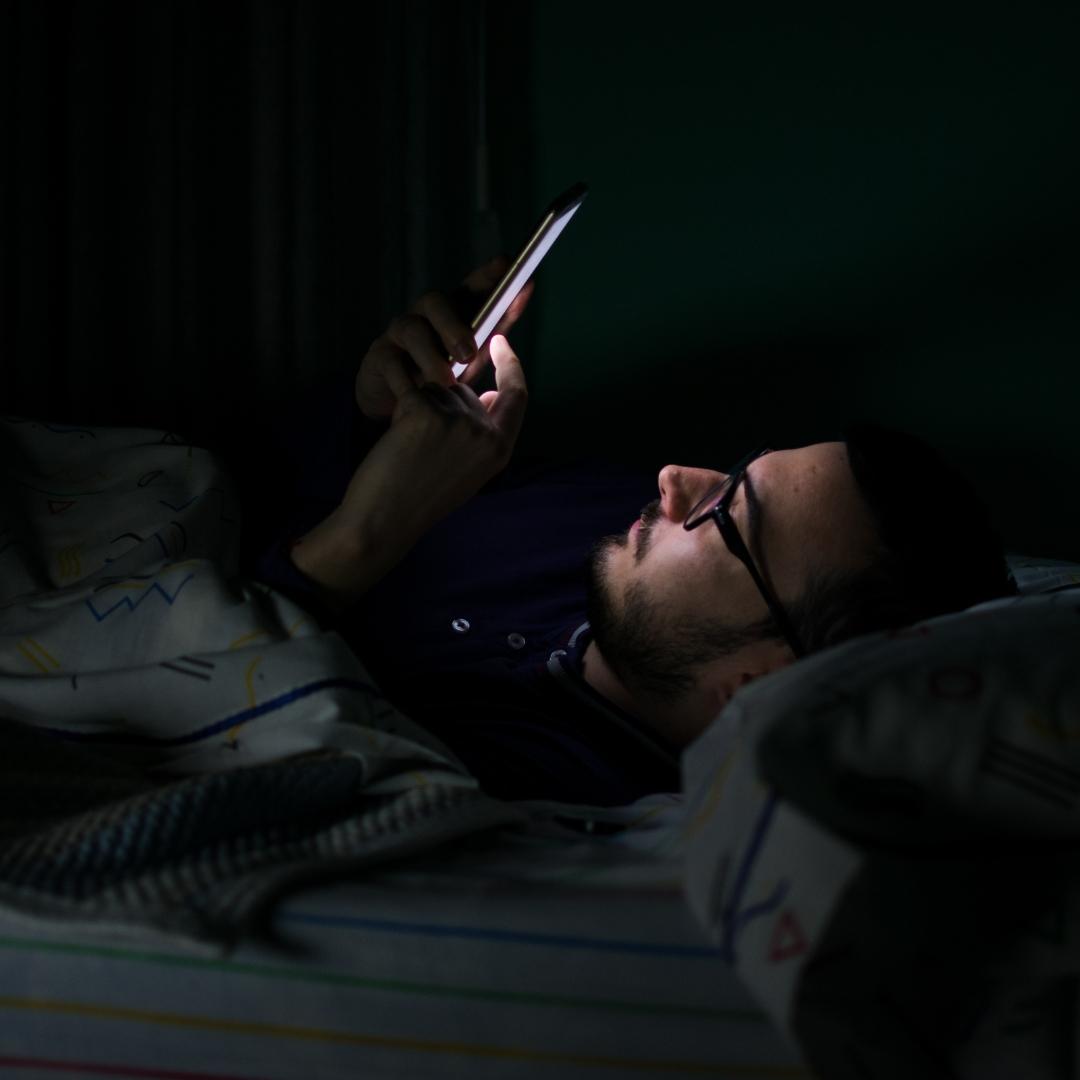
When people think about improving their health, they often focus on diet, supplements, or exercise. But one lifestyle factor that receives far less attention is light exposure.
Light is not just something that helps us see. It acts as a biological signal that helps regulate many systems in the body, including sleep, hormone production, metabolism, and mood.
From a Functional Medicine perspective, light plays a central role in maintaining the body’s internal timing system. When our light exposure is aligned with natural patterns, many processes in the body function more efficiently.
Inside the brain is a small region called the suprachiasmatic nucleus (SCN), often referred to as the body’s master clock. This clock helps coordinate daily rhythms such as sleep, hormone release, digestion, and energy production.
The SCN is strongly influenced by light signals received through the eyes.
When the eyes detect bright light in the morning, this signal tells the brain that it is daytime. In response, the body adjusts several physiological processes:
• Cortisol naturally rises to promote alertness
• Body temperature gradually increases
• Metabolism becomes more active
• Melatonin production decreases
Later in the evening, as light fades, the brain begins producing melatonin, the hormone that prepares the body for sleep.
This daily cycle is known as the circadian rhythm.
For most of human history, people experienced a predictable pattern of bright daylight and dark nights.
Modern lifestyles have changed this dramatically.
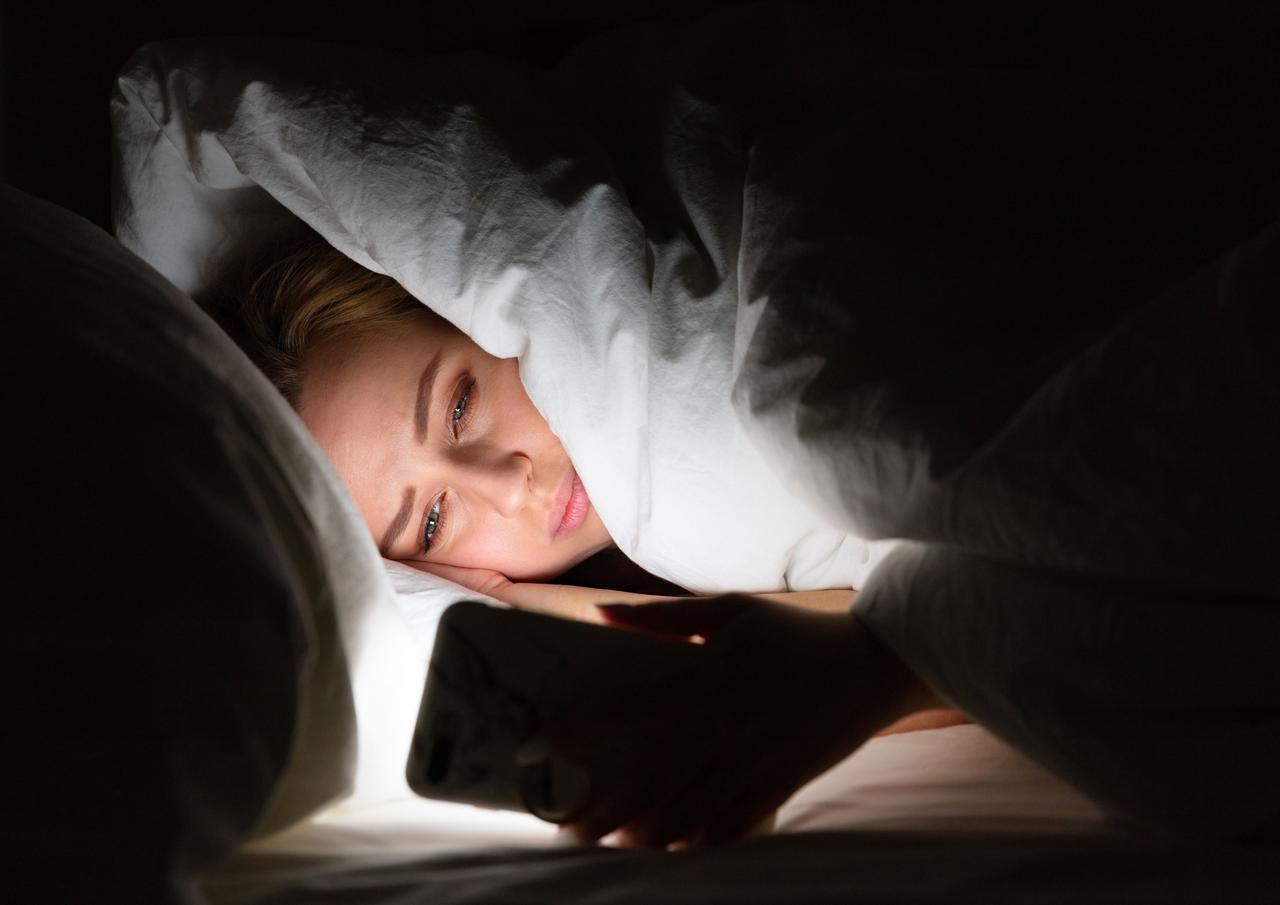
Many people now:
This pattern can confuse the body’s internal clock. The brain may receive weak signals during the day and strong light signals at night, which is the opposite of what the circadian system expects.
Over time, this disruption may affect sleep quality, energy levels, metabolism, and hormone balance.
Light exposure is one of the strongest regulators of sleep.
Morning light helps anchor the circadian rhythm and can make it easier to fall asleep later in the evening. Conversely, bright light late at night—especially from screens—can suppress melatonin production and delay sleep.
Even relatively small amounts of artificial light can influence the brain’s perception of day and night.
Light also influences several hormones involved in daily biological rhythms.
For example:
When light exposure occurs at unusual times, these hormone patterns may shift or become irregular.
Light exposure can also influence mood through several biological pathways.
Sunlight stimulates the release of serotonin, a neurotransmitter involved in mood regulation and emotional well-being. Reduced daylight exposure has been associated with seasonal mood changes and lower energy levels.
This is one reason many people notice improvements in mood when they spend more time outdoors.

Emerging research suggests that circadian rhythms influenced by light may also affect metabolism and blood sugar regulation.
When the body’s internal clock is disrupted, metabolic processes such as glucose regulation and appetite signaling may also become less synchronized.
This connection highlights how lifestyle factors—like daily light exposure—can influence multiple systems in the body.
Small adjustments to daily habits can help align light exposure with the body’s natural rhythms.
Some helpful strategies include:
• Getting natural light soon after waking
• Spending time outdoors during the day
• Working near windows when possible
• Reducing bright light exposure in the evening
• Limiting screen use before bedtime
• Using dim, warm lighting at night
These simple steps help reinforce the natural signals that regulate circadian rhythms.

Functional Medicine looks at health through the lens of how daily lifestyle patterns interact with biology.
Light exposure is one of the most powerful environmental signals the body receives each day. When light patterns are aligned with natural rhythms, many systems—including sleep, hormones, metabolism, and mood—can function more smoothly.
While nutrition and exercise remain important, lifestyle factors such as light exposure may play a much larger role in health than many people realize.
Sources

Stay updated on our news and events! Sign up to receive our newsletter.